

Numeracy learning in early primary (6–8 years)
During the early primary years, children build upon their foundational numeracy knowledge by developing more advanced mathematical understanding and problem solving skills. Between six and eight years, children explore concepts such as place value, fractions and measurement through practical, everyday experiences. Educators support this development by using hands0on materials, mathematical discussions and intentional teaching to connect concrete experiences with mathematical representations. Aligned with the NSW Mathematics K–6 Syllabus (2022) these learning experiences encourage children to develop mathematical reasoning, confidence and the ability to apply numeracy skills in real-life situations
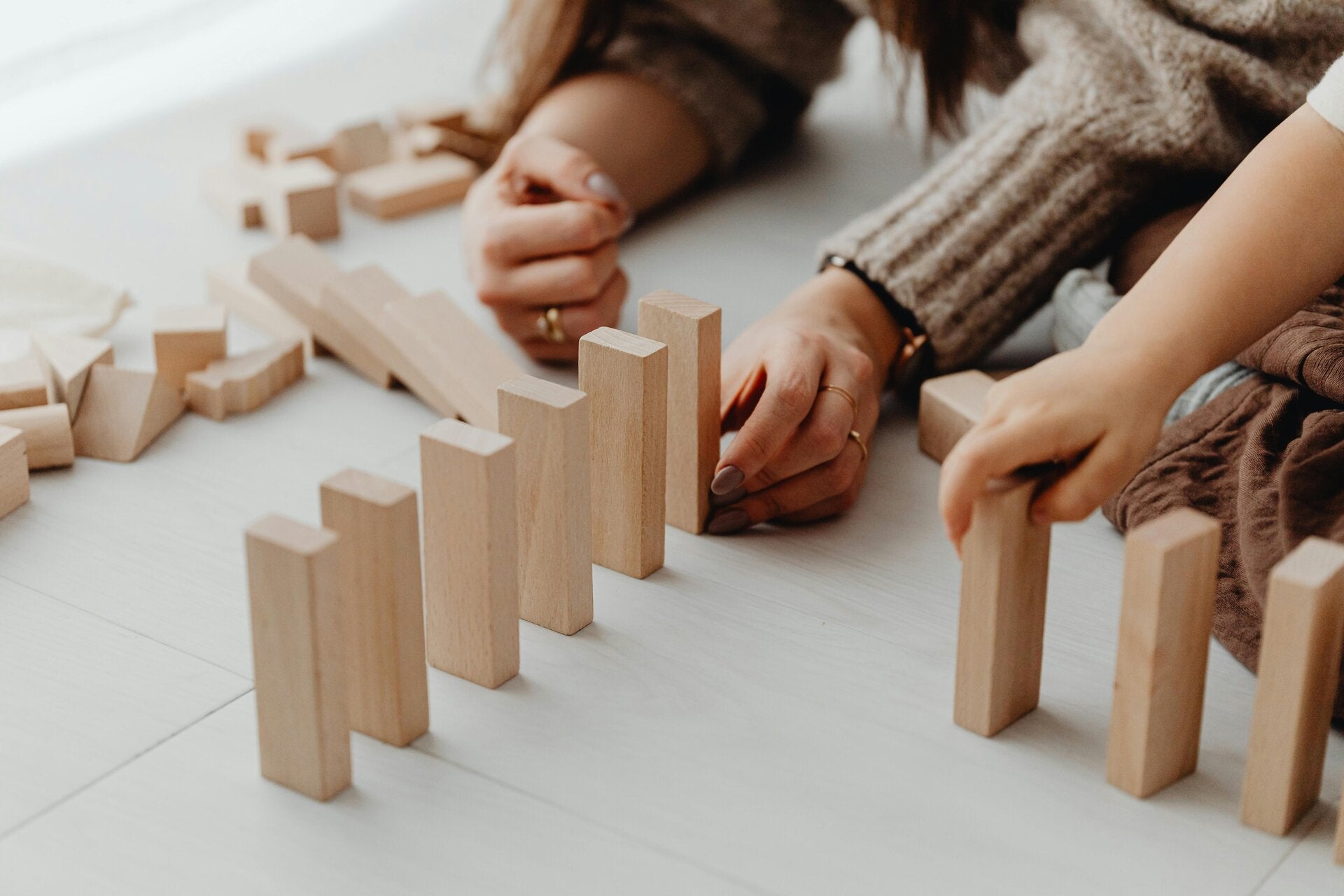
Activity 1: The place value shop
Activity overview: Students participate in a pretend shop using base-ten blocks, place value mats, numeral cards and play money. They represent quantities by grouping individual units into tens and exploring the relationship between ones, tens and hundreds.
Numeracy learning : This activity develops understanding of place value, number representation and regrouping (Carbonneau et al., 2013). For example, students can represent the number 23 using two groups pf ten and three individual units. Exchanging ten ones for one ten helps students understand how the base-ten number system works
Developmental suitability: Students developing foundational understanding may begin with two digit numbers and concrete materials. More confident learners can explore three digit numbers and practice exchanging ten tens for one hundred.
Curriculum alignment (EYLF V2.0): This activity supports the number and place value content of the NSW Mathematics K-6 Syllabus (2022). The precise syllabus outcome codes should be checked against the relevant stage.
Teaching application: I would model grouping and exchanging quantities using base-ten blocks before introducing written number representations. I would ask s=questions such as "How many tens and ones do we have?" and "What happens when we exchange ten ones for one ten?". Students requiring extra support could use ten-frames and visual place value mats.
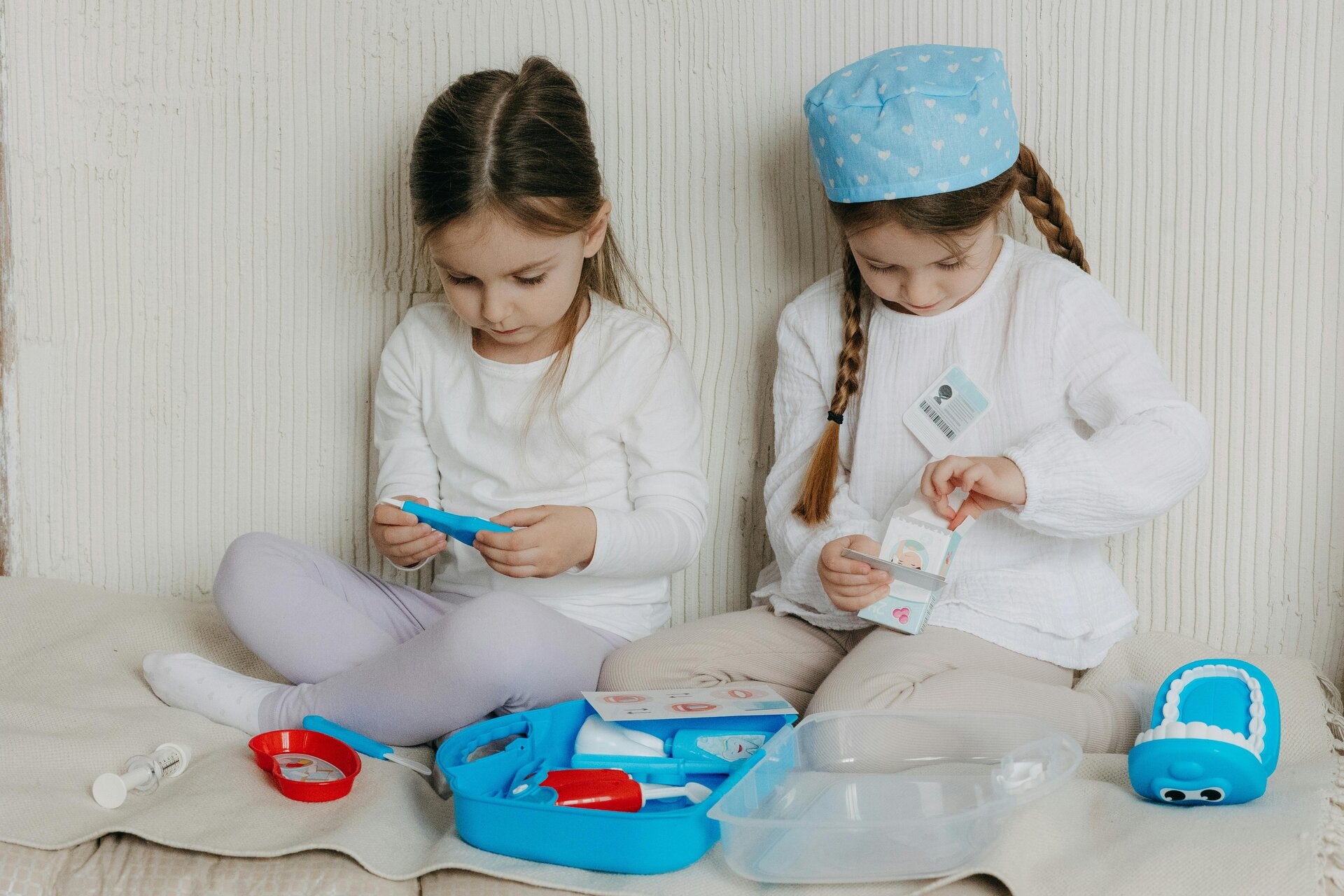
Activity 2: The classroom café fractions
Activity overview: Students participate in a pretend classroom cafe using paper pizzas, felt food and fraction circles. They explore equal sharing by dividing pretend food into halves and quarters and discussing how to distribute the portions fairly.
Numeracy learning : This activity develops understanding of fractions as equal parts of a whole. Students investigate halves and quarters, recognise that equal parts must represent the same quantity, and begin connecting practical sharing experiences with fraction language and symbols (Carbonneau et al., 2013).
Developmental suitability: Students beginning to explore fractions may use paper shapes to identify and create two equal parts. Students that are more confident can explore quarters and compare different ways of dividing the same whole into equal portions.
Curriculum alignment (EYLF V2.0): This activity connects with the fractions content of the NSW Mathematics K-6 Syllabus (2022). The precise syllabus outcome codes should be checked against the relevant stage.
Teaching application: I would model equal sharing using paper pizzas and ask questions such as, "How can we share this pizza fairly between two people?" and "How do we know the pieces are equal?" Students could fold paper shapes, compare portions and explain their reasoning. Visual models and practical demonstrations would support learners requiring additional guidance.

Activity 3: Everyday measurement in action
Activity overview: Students investigate measurement through practical experiences using measuring tapes, balance scales, connecting cubes and measuring jugs. They compare the length, mass and capacity of familiar objects and containers
Numeracy learning : This activity develops children's understanding of measurement, comparison and estimation. Students explore how different attributes can be measured using appropriate tools and units (Carbonneau et al., 2013). For example, they may measure a desk using connecting cubes before comparing their findings with measurement in centimetres.
Developmental suitability: Students developing foundational understanding measurement skills may begin by comparing objects directly and using informal units. More confident learners can use standard units, such as centimetres and metres, and record their measurements.
Curriculum alignment (EYLF V2.0): This activity supports the measurement content of the NSW Mathematics K-6 Syllabus (2022). The precise syllabus outcome codes should be checked against the relevant stage.
Teaching application: I would organise practical measurement stations where students estimate, measure and compare classroom objects. I would ask questions such as, "Which object do you think is longer?" and "How can we check our prediction?". I would model the correct use of measuring tools and provide visual instructions and hands on support for students requiring extra support.
Create Your Own Website With Webador